The unit is mandated to undertake the following functions;
i. Conduct analysis of digital or electronic media in a forensically sound manner with the aim of identifying, preserving, recovering, analyzing digital evidence in a secure, controlled, and legally defensible manner.
ii. Conducting technical investigation of cyber-enabled and cyber dependent crimes.
iii. Maintenance of inventories of digital evidence as per the labs Standard Operating Procedures
iv. Sensitization and offering lectures to both public and private entities on cyber investigations and Digital Forensics.
v. Offering technical support to investigators
vi. Liaison point on cyber incidents involving multi-agencies.
vii. Reporting and presentation of digital evidence in courts.
The Unit consists of the following sub-units:
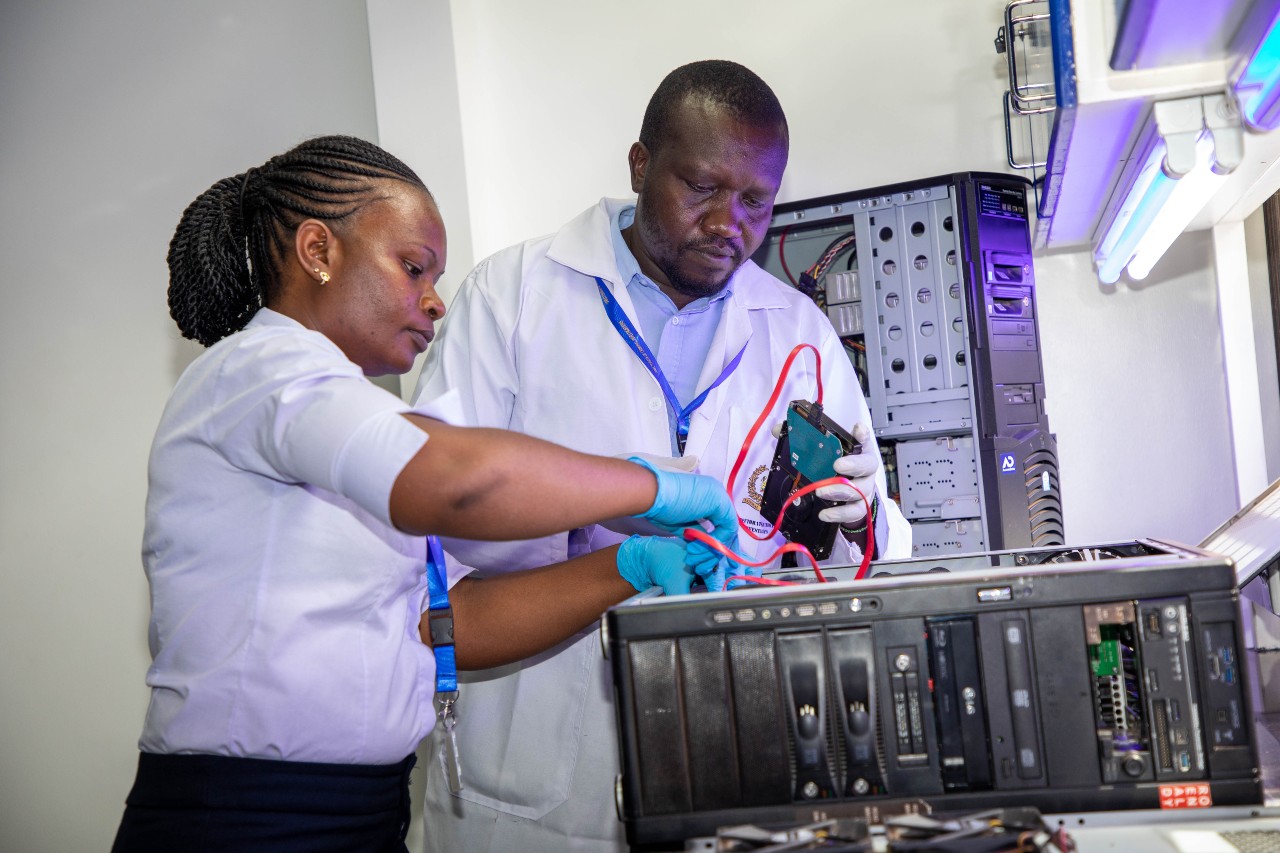
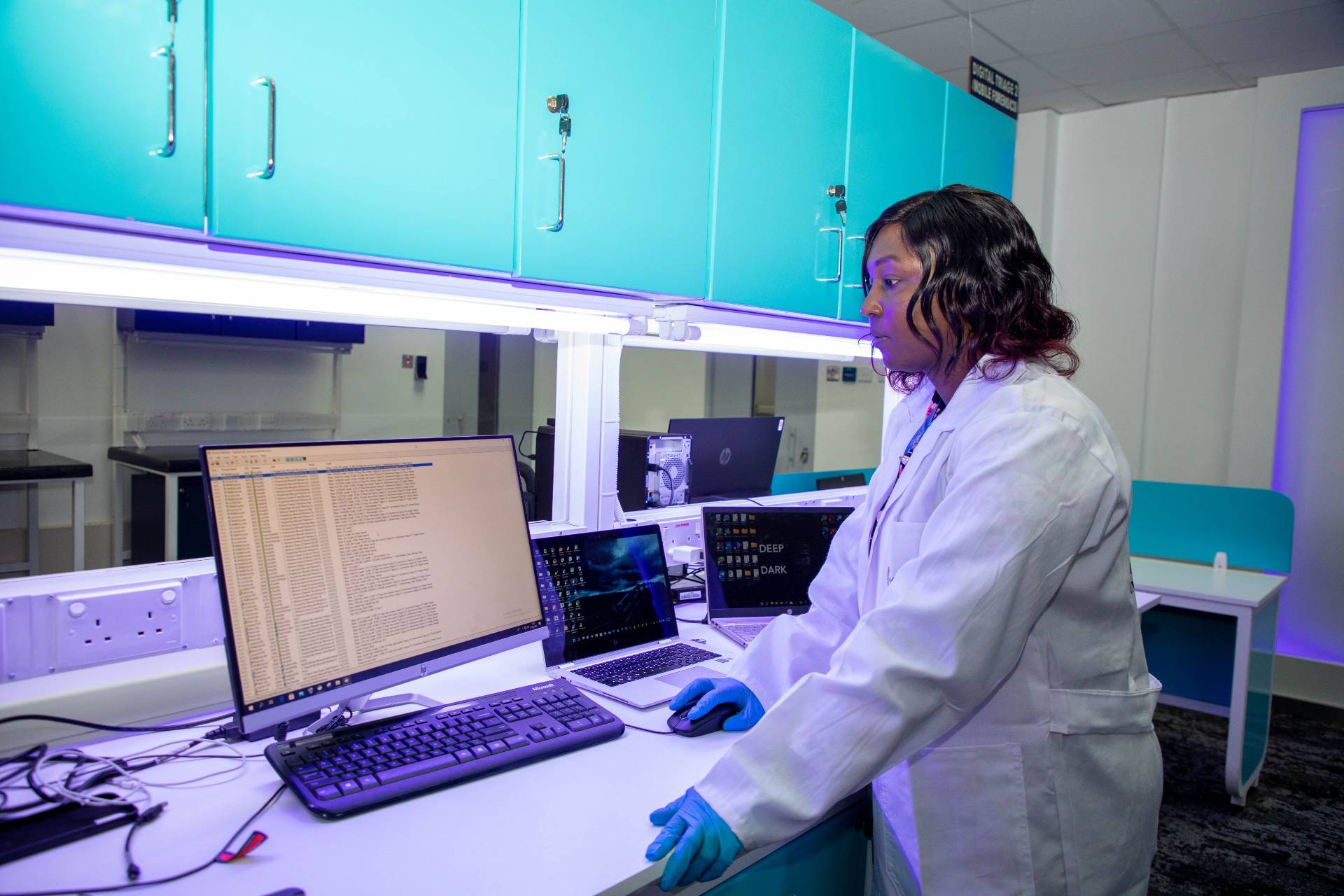
a) Computer Forensic Unit-Responsible for acquisition, recovery and analysis of data from computers, laptops and storage devices such as hard drives, USB drives, SD cards etc.
b) Mobile Forensic Unit-Responsible for the extraction and analysis of data from mobile phones such as smartphones, tablets, feature phones.
c) Network Forensic Unit-Responsible for monitoring and analysis of network traffic for identification of security breaches, malware infections and malicious activities.
d) Multimedia Forensic Unit-Responsible for analysis of multimedia files such as images, audio and video files including CCTV footages recovered from Digital Video Recorder (DVR)& Network Video Recorders (NVR).
e) Malware Analysis Unit-Responsible for analysis and identification of malwares including ransomwares, viruses, worms, trojans etc.
f) DF Incidence-Response Unit-Responsible for response to computer & cyber incidents including data breaches, malware attacks and system outages.
g) OSINT Unit-Investigation and analysis of digital footprints and online activities on social media accounts, malicious domains, forums etc.
h) Virtual Asset & Blockchain Analysis Unit-Responsible for tracking and analysis of movement of cryptocurrencies and other virtual assets across the blockchain.
i) Training, Research & Development Unit-Responsible for development and validation of new methods, tools, and techniques for the acquisition, analysis, and preservation of digital evidence.
j) Quality Assurance Unit-Conducting Internal audits, implementation, maintenance and ensuring compliance to outlined policies and procedures for Digital forensic.
CURRENT SERVICES
•Computer forensics focusing on Disks Forensics, Device Forensics, Network Forensics and Open Source Intelligence(OSINT) investigations
•Investigating Cyber-Enabled Crimes such as Electronic Fraud, Phishing, Hacking, Ransomware
•Assisting in sensitization and offering lectures to government institutions on techniques of digital forensics
•Presenting digital evidence in courts of law
ADDITIONAL SERVICES
•Mobile Forensics focusing on extracting, preserving and analyzing data from mobile devices
•Database Forensics examination of databases to uncover evidence this includes transaction logs, audit trails from financial or business systems
•Network Forensics includes analysis of network traffic to investigate security incidences, packets capture.
•Blockchain & Cryptocurrency Analysis includes analyzing transaction ledgers, smart-contract and Wallet addresses